
The artist gives his £25k prize cash award to independent music venues
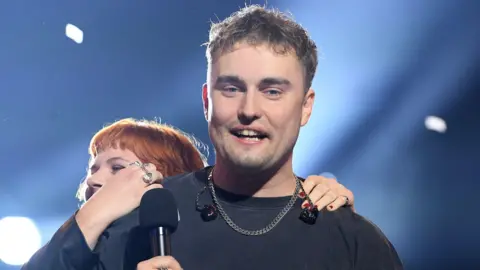
Sam Fender has donated the full amount of his £25k Mercury Prize cash to the trust for venues, which works to save the United Kingdom's independent music venues.
The star was awarded the award on October 16 as his third album his work was chosen as the top album of the last 12 months.
He has decided to give the cash to the MVT, in acknowledgment of the essential function grassroots venues fulfilled in his initial steps.
"I would not have achieved this success if it weren't for all the gigs I did around the area, and elsewhere, when I was beginning," stated the artist. "These locations are iconic, but they are facing challenges."
Since the start of 2023, at least 150 of these spaces have ceased operations – about 16% of the entire UK sector.
Recently, top acts like Pulp, Coldplay, the singer Katy Perry and Ed Sheeran have all aided the MVT in its attempts to support the industry, by including a small levy to their ticket prices, which goes to help smaller concert halls.
Fender also took part, collecting more than £100,000 on his recent tour to assist numerous local spots across Britain.
The money assisted venues that were facing imminent closure due to challenges stemming from water damage, fire incidents and personal losses, as well as licensing issues, court cases and noise complaints.
Additional spaces received monetary aid in improving facilities and sound and lighting systems that directly benefitted performers and audiences.
"The idea that funds from shows in major spaces helps the smaller venues, where it kicks off for artists like me, is just sensible," Fender has stated.
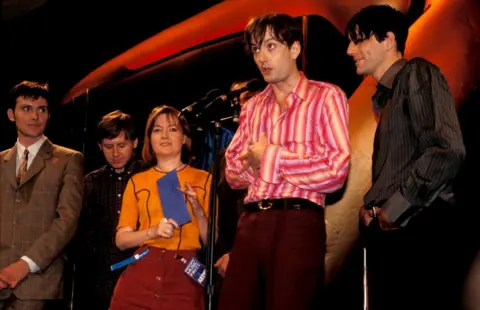
He is far from the only musician to give his award funds to charitable organizations.
Back when Pulp earned the trophy in 1996 for their album Different Class, lead singer Cocker announced that the act would contribute their cash to the charity War Child.
That year, rapper and singer she shared her bounty among a few good causes, such as the NSPCC and a Sickle Cell organization.
"I also contributed a £1,000 to my local community centre, to their gymnastics class, because I trained in gymnastics when I was a child and they required better apparatus," the artist told a publication.
Two years ago, they contributed their prize money to the youth organization that supported their act, alongside other grassroots music organisations.
Additionally 1994 winners they contributed their prize to a multiple sclerosis charity after a close contact was found to have the disease.
"Winning was quite enough," remarked singer Small. "The money was the bonus but we didn't require the extra, because we had the main prize. So our winning affected the lives of others."
Last week, the trust announced it had protected several local spots in the South East, by bringing them into public stewardship.
The first in the city and the second in Bristol were bought under the public acquisition scheme, which is backed by Arts Council England and supporters who buy "stakes" in the venues.